
As your dog enters their senior years, it is not unusual to notice them slowing down a bit. It’s not uncommon for aging pets to have less energy over time. But arthritis does more than lower your pup’s enthusiasm for walkies. Arthritis can be a chronic source of pain that can prevent your pet from enjoying their senior years and even cause changes in temperament if not handled. The good news is that arthritis can be successfully managed with a little effort and vet care. Let’s read ahead to learn more.
What is Arthritis?
Arthritis is a degenerative disease that causes inflammation of the joints as the joint cartilage begins to break down. This causes them to swell and stiffen, putting your dog in considerable pain. Symptoms often develop gradually over time, but arthritis is a progressive disease, meaning that it will get worse as it continues. If left untreated, your dog will experience increased pain, reduced mobility, and may become more aggressive due to being in pain constantly.
Osteoarthritis is an ongoing cycle of joint degeneration involving one or more joints. This is characterized by cartilage deterioration and affects about 25% of dogs, with seniors being the most commonly affected.
What Factors Increase My Dogs Risk?

Wear and tear as your dog ages are probably the most common and unavoidable factors for every dog. You should also be aware that if your dog has suffered from any of the following, they are at an increased risk for arthritis:
Broken bone/fractures
Elbow/Hip dysplasia
Joint Infection
Excessive Weight Gain
Muscle Injuries
Poor Nutrition
High Impact Activity
Certain breeds are at an increased risk of arthritis. Poor breeding practices, along with rigid standards for purebreds, increase the risk by encouraging structural changes to the dog’s physiology that place additional strain on their joints. These aesthetic enforcements often lead to a genetic predisposition to long-term damage to the dog’s joint health. The following breeds are considered to be at high risk for arthritis, osteoarthritis, and joint problems:
- German shepherds
- Golden retrievers
- Labrador retrievers
- Dachsunds
- Newfoundlands
- Bulldogs
- Basset Hounds
- Corgis
- Bernards
- Rottweilers
- Great Danes
- Mastiffs
- Old English Sheep Dogs
- Toy Poodles
- Maltese
- Jack Russell Terriers
- Yorkshire Terriers
- Pomeranians
- Pekingese
- Cavalier King Charles Spaniels
- Boston Terriers
- Plummer Terriers
- Patterdale Terriers
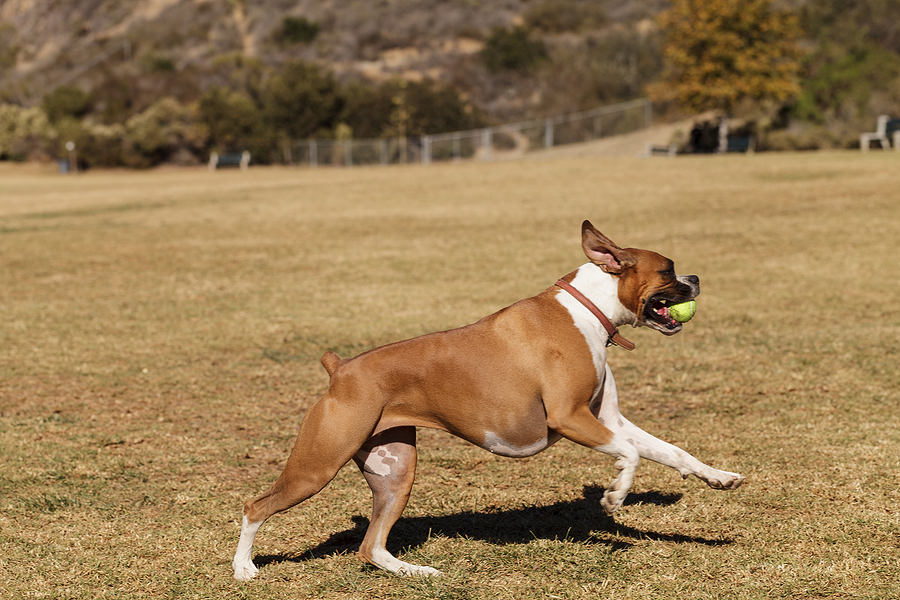
You can see that many of the dogs at risk are among the larger breeds. Weight plays a significant role in the development of arthritis. Even a healthy, nutritionally maintained, and active dog of a large breed is still at high risk just due to the additional demand on their joints. Some breeds, such as boxers, rotties, retrievers, and shepherds, tend to be ‘high impact’ prone. This means they’re very active and have a tendency towards sports or long exercise periods.
Smaller dogs, such as doxies, basset hounds, and corgis, tend to develop patellar luxation, a common birth defect where the knee cap dislocates, forcing the dog to ‘hop’ around as they try to relocate the displacement. Long-backed breeds are also prone to spinal issues as their backs deal with additional strain and less support.
What Should I Be Looking For?
While some breeds are more prone to arthritis, it is far from uncommon in senior dogs and dogs who have had a significant injury in their lifetime. Dogs that fall under certain breeds, like those previously mentioned, should also receive early checks to be sure they are not developing arthritis problems. In general, you can observe from a list of symptoms that indicate your senior pup may be developing arthritis or joint issues.
Reduced activity or a reluctance to move
Limping or favoring a leg
Increased difficulty getting up/lying down
Hunched or stiff movements
Licking or chewing at joints
Behavioral changes such as aggression or becoming withdrawn
What Can My Vet Do?
Your vet is about to become your senior pup’s next best friend. A veterinarian knows to go beyond the symptoms seen with the naked eye and pinpoint what your dog will need to improve. After a thorough examination, some samples if necessary, and some diagnostic tests, they will be able to give you a better grasp on what is happening to your pup and how best to treat them. Treatments typically include:
Pain management: Anti-inflammatory drugs and painkillers are typically prescribed to help deal with the most immediate symptoms. These are typically taken with food on a daily basis or injected once a month by your vet.
Weight/Diet Management: Your vet will likely suggest a weight control diet along with supplements that can help improve your pup’s joint health. This will likely mean no more human food or ‘pup cups’ for a while. But ask about healthy treats for your pup.
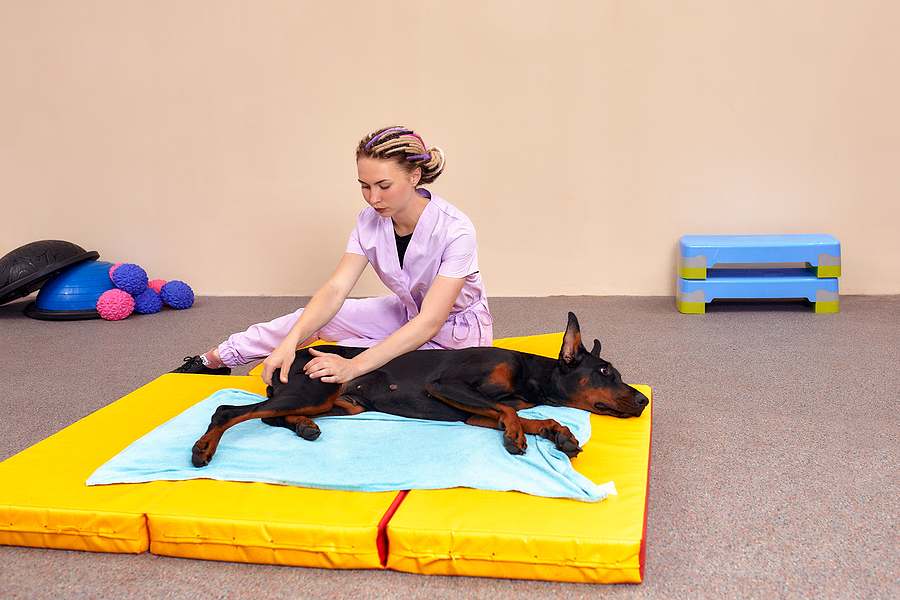
Physical Therapy: Gentle exercise can go a long way towards helping your senior dog improve. Low-impact activities like swim therapy and massage can help ease the strain on your pup, helping with their pain level and behavior.
Surgical Options: Surgery is often utilized to relieve the major issues that cause arthritis pain in dogs. Often, with proper medication and recovery, pet parents see signs of decreased pain, increased mobility, and reduced arthritic progression. That being said, surgery is not always the best option. Be sure to discuss your care choices with your vet.
How Can I Help At Home?
Having a senior dog with arthritis is much the same as having anybody with a disability at home. You need to take a look at your living environment through their point of view, figure out what causes them frustration or pain, then do your utmost to remove the obstacle. For instance, if your dog gets up on the couch or sleeps in bed, you may want to add pet stairs or a ramp. Slippery floors like linoleum or tile can be too smooth. Consider putting down some rugs to give your dogs better traction. On that note, keep up on your pup’s toenail grooming. Long toenails can cause extreme discomfort, making arthritis pain even worse.
You may want to add comfy bedding to the ground area so your pup can rest whenever they need to without having to jump up or climb. Make sure that your dog’s food is at a good height so they do not have to lean down too far. Likewise, make sure their water is protected so it does not spill and cause a slip hazard. If you have any areas you want your senior pup to avoid entirely, like a basement or office room, consider using a baby gate to help deter entry.
And most importantly, remember that your dog is probably more anxious than you are right now. Your pup may act on high alert, pacing, and panting to show that they are hurting. On the other hand, they may hide and avoid interacting. Both are understandable from a creature in pain, especially one that simply does not have the capacity to solve this problem on its own. Be patient with your pup and give the medications time to work. Try to avoid big excitement that would prompt movement, like having a house party or buying them a loud, new toy.
At Evergreen Veterinary Hospital, we provide thoughtful, relationship-driven care for pets at every stage of life—from puppyhood through senior years. Our philosophy of care is simple: medicine works best when it’s personal. Every pet is unique, and so is every family. If you’re looking for a veterinary hospital that values time, transparency, and true partnership, we would love to care for your pet.